

back IN STOCK!
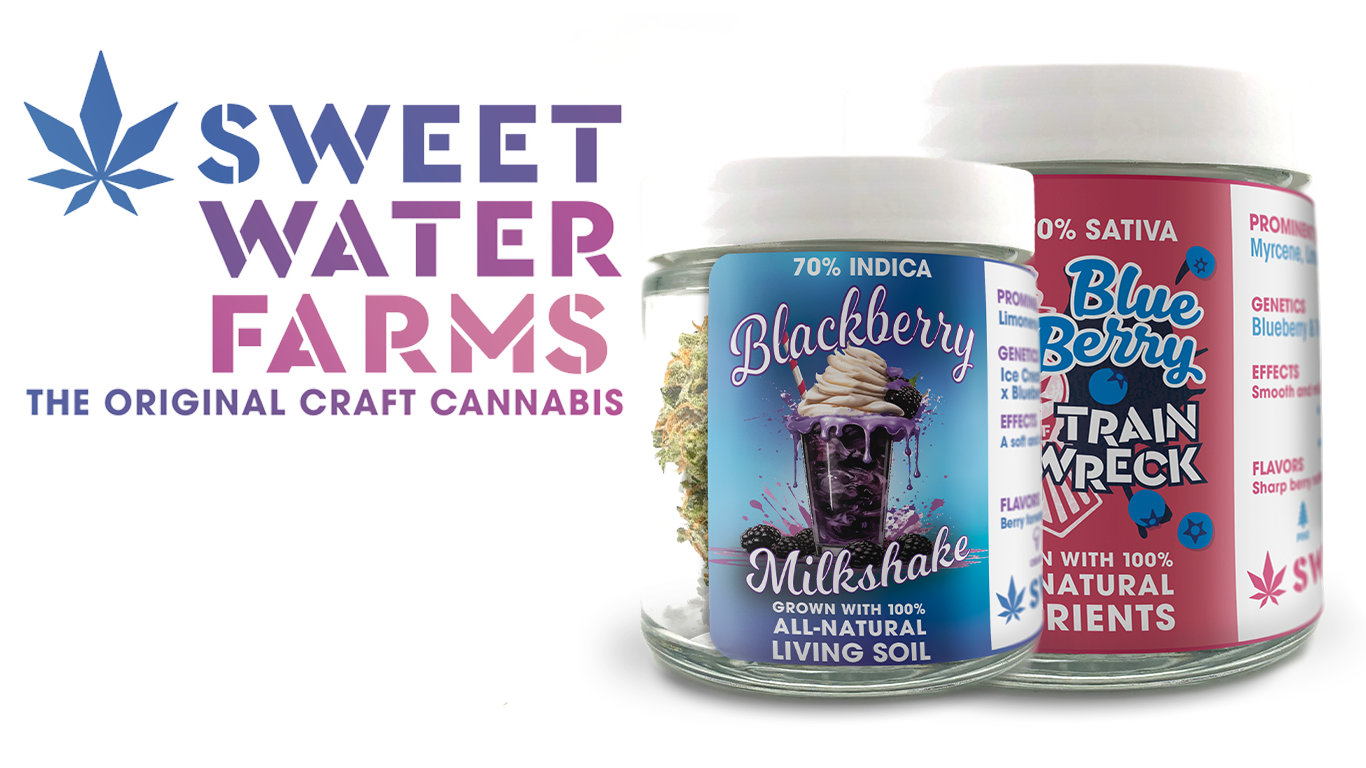
Plaid Jacket + Sweetwater Farms

Weekly Deals
Try Something New Every Day!



HIGH END UPDATES
Recieve Product Updates, Store Deals and more!
Popular Brands
Tap to see products!
Daily Menu Updates
Adding Products Every Day!


Find US
Tap the map for directions!
UPDATES + EVENTS + NEW DROPS
Check back for frequent updates!
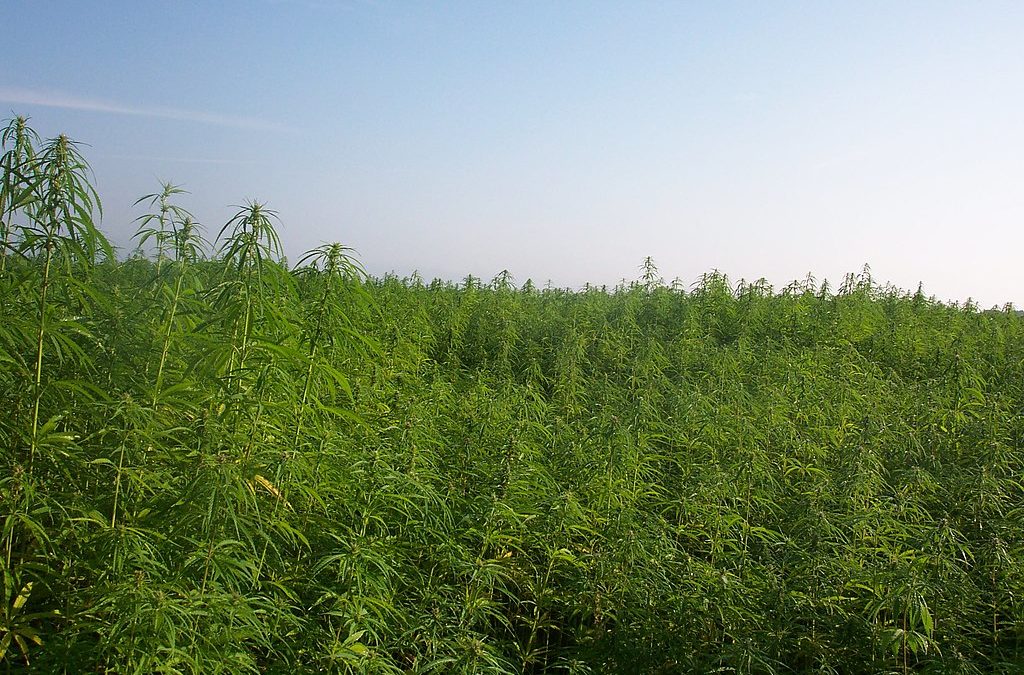
How the Federal Hemp Crackdown Is Reshaping the Cannabis Industry and What It Means for Farmers
This month, one of the most significant policy shifts in recent cannabis history has begun sending shockwaves through the cultivation and manufacturing sectors. Under the newly passed federal spending bill, intoxicating hemp-derived products — such as delta-8 THC, delta-10 THC, HHC, and many hemp-based THC drinks and edibles — are set to be banned nationwide starting November 2026. The new definition of legal hemp effectively closes the loophole that allowed psychoactive hemp derivatives to be manufactured and sold outside state-licensed cannabis systems.
For anyone who shops at a dispensary, this change may initially seem distant. But behind the scenes, this single regulatory shift is poised to reshape farming practices, processing infrastructure, supply chains, and the economic outlook for both hemp and cannabis producers across the country.
Why Hemp-Derived THC Became So Widespread
Hemp-derived intoxicants exploded in popularity following the 2018 Farm Bill, which legalized hemp containing less than 0.3 percent delta-9 THC but did not explicitly address other cannabinoids created through chemical conversion. Manufacturers quickly discovered that CBD extracted from federally legal hemp could be converted into forms of THC through relatively simple processing, opening the door to THC-like products sold in gas stations, smoke shops, online stores, and sometimes even alongside licensed cannabis products.
This growth created a parallel intoxicant market worth billions — often unregulated, inconsistently tested, and completely separate from the state-licensed cannabis industry. For many farmers, it was a financial lifeline. When the CBD market oversaturated and prices crashed, converting CBD into delta-8 or delta-10 THC brought profitability back to hemp crops that would otherwise have gone unsold.
The new federal definition now eliminates that path.
How the Crackdown Impacts Farmers
Loss of a Major Revenue Stream
Hemp farmers have already faced years of instability. The collapse of CBD biomass pricing left thousands of growers with warehouses full of product they couldn’t sell. The rise of hemp-derived intoxicants revived the industry and created new demand for biomass. With the federal ban taking effect in 2026, that demand is expected to shrink dramatically.
Many farms that rely on converting surplus CBD into intoxicating cannabinoids now face a renewed threat of financial collapse. Without alternative markets, farmers may be forced to reduce acreage, abandon hemp entirely, or seek entry into state-licensed cannabis systems — a costly and heavily regulated transition.
Increased Pressure to Pivot
Some growers are preparing to pivot from intoxicating hemp markets toward other product categories, such as fiber hemp, grain hemp, or strictly non-intoxicating wellness cannabinoids. While these sectors hold long-term potential, infrastructure for processing fiber and grain hemp remains limited in many states, and market demand is far smaller than the THC or CBD industries.
Transitioning crops is not a simple switch. Farmers face challenges including:
- securing new genetics suitable for fiber or grain
- adjusting harvest timing and planting density
- finding processors and buyers
- managing razor-thin margins compared to cannabinoid hemp
Regulatory Uncertainty and Risk
Federal agencies themselves have acknowledged that enforcing the new ban may not be straightforward. Reports from congressional researchers note that agencies like the FDA and DEA may lack the resources needed for comprehensive enforcement. This creates a confusing environment where farmers must prepare for compliance without knowing how aggressively the new rules will be applied.
Uncertainty makes long-term planning difficult. Farmers may hesitate to plant hemp at all in 2026, which could sharply reduce overall acreage nationwide.
How Cannabis Manufacturers and Retailers Are Affected
Realignment of the Supply Chain
For years, hemp-derived intoxicants blurred the lines between hemp and cannabis. These products were often sold outside licensed dispensaries, undercutting producers who operated within state-regulated systems that require testing, tracking, taxes, and compliance.
With the ban approaching, manufacturers who relied on hemp inputs must decide whether to:
- shut down
- shift toward non-intoxicating goods
- attempt to enter regulated cannabis markets
- reformulate products using state-legal cannabis rather than hemp
Each path has significant financial consequences. Entry into regulated cannabis requires licensing, investment, and strict compliance protocols that many hemp businesses are unprepared for.
Market Consolidation
A contraction in the hemp intoxicant market will likely lead to consolidation. Larger, well-capitalized processors may absorb smaller competitors or vertically integrate into cannabis. Smaller operators may exit entirely.
For dispensaries, the shift means a more clearly defined product landscape. The disappearance of hemp-derived intoxicants may reduce confusion for consumers and create a cleaner separation between regulated cannabis and unregulated hemp products. State-licensed producers may also benefit from reduced competition, particularly in markets where hemp intoxicants had become widespread.
Long-Term Industry Outlook
Though disruptive, the federal crackdown may ultimately push the industry toward greater consistency and safety. State-regulated cannabis programs tend to require rigorous testing, standardized dosing, and tighter production protocols. Many industry experts argue that intoxicating cannabinoids should be produced within these frameworks rather than through the hemp loophole.
Still, the road ahead will be difficult — especially for farmers. The hemp industry has endured boom-and-bust cycles for nearly seven years, and this policy shift represents another major turning point. Success will depend on diversification, innovation, and improved infrastructure for non-intoxicating hemp categories.
Dispensaries will continue playing a crucial role by offering tested, compliant, state-regulated cannabis products. As hemp-derived intoxicants phase out, consumers may rely more heavily on dispensary-grade options, reinforcing their importance within the broader cannabis ecosystem.
Sources
Dentons. “Conflicting New Laws: Hemp and Cannabis in the 2025 Federal Spending Bill.” December 2025.
https://www.dentons.com/en/insights/newsletters/2025/december/2/us-cannabis-newsletter/cannabis-client-alert-week-of-december-1-2025
Newsweek. “Congress Rewrites Hemp Definition, Reshaping Cannabis Rules.” December 2, 2025.
https://www.newsweek.com/congress-rewrites-hemp-definition-reshaping-cannabis-rules-11162424
Cannabis Business Times. “FDA, DEA May Lack the Resources to Enforce New Federal Hemp Product Ban.” December 3, 2025.
https://www.cannabisbusinesstimes.com/hemp/news/15773558/fda-dea-may-lack-the-resources-to-enforce-new-federal-hemp-product-ban
Cannabis Science & Technology. “Pivoting with Purpose: How the Hemp Industry Can Navigate Federal Change.” December 2025.
https://www.cannabissciencetech.com/view/pivoting-with-purpose-how-the-hemp-industry-can-navigate-the-federal-change
Marijuana Moment. “Marijuana Regulations Protect Public Health Better Than Alcohol Rules, Government-Funded Study Finds.” November 2025.
https://www.marijuanamoment.net/marijuana-regulations-protect-public-health-better-than-alcohol-rules-do-new-government-funded-study-finds
The Guardian. “New US Seed Ban Risks Driving Cannabis Genetics Underground, Growers Warn.” December 6, 2025.
https://www.theguardian.com/society/2025/dec/06/cannabis-seed-ban-growers-warn
CannaTech Today. “Last Week in Weed: December 2–9, 2025.”
https://cannatechtoday.com/last-week-in-weed-december-2-9-2025
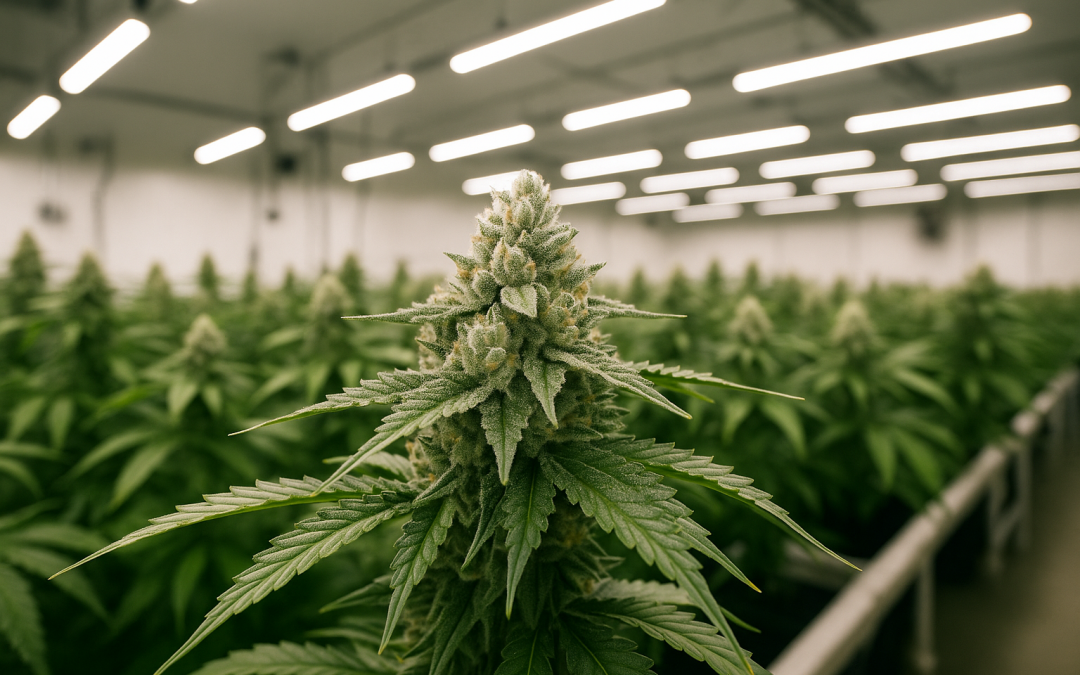
Method Cannabis: Spokane Grown Quality Now Reaching Dispensaries Across Washington
If you shop Washington cannabis regularly, you’ve probably noticed a new name showing up more frequently in dispensaries across the state: Method Cannabis. The brand has been gaining traction from Spokane to Vancouver, and while they don’t rely on heavy marketing, the information available through retailers, strain reviews, and market data paints a clear picture. Method Cannabis is a Spokane-based indoor grower with a strong reputation for high-quality flower, precise cultivation, and terpene-rich genetics that stand out in Washington’s competitive cannabis market.
Spokane Roots and Indoor Craft Cultivation
Method Cannabis is associated with Curations Corporation, a licensed Tier III producer and processor located in Spokane, Washington. Retailers that feature Method commonly highlight its controlled indoor cultivation environment and its use of data and technology to drive growing decisions. This approach is consistently referenced in retailer descriptions, emphasizing a facility built for precision and consistency.
Maple Valley Pharms notes that the company blends advanced horticultural systems with a craft-level focus on quality and genetic expression. This aligns with the broader impressions shared by multiple cannabis retailers: Method is a grower that values meticulous technique over flashy marketing.
Unique Genetics and Standout Strains
Method’s strain lineup has become a talking point in Washington dispensaries thanks to distinct flavor profiles and terpene expression. Retailers and reviewers have showcased several strains that give a sense of what Method Cannabis prioritizes.
Washington retailers have documented strains such as:
- Red Bullz – Reviewed by White Rabbit Cannabis as a cross of Grape Gas and White Runtz with a sativa-leaning profile and energetic effects.
- Jealousy BX1 – Noted for its deep coloration and heavy relaxation, also reviewed by White Rabbit Cannabis.
- Cosmic Honey, Black Patronus, Black Scotti, Purple Apricot Punch – Highlighted by Maple Valley Pharms as examples of Method’s diverse catalog.
These strains reflect one of Method’s core focuses: genetics with character. Rather than chasing generic high-THC cultivars, Method chooses varieties that deliver strong aroma, balanced effects, and distinctive visual appeal, which is part of why their products have begun appearing more often in Washington cannabis dispensaries.
A Precision-Based Growing Method
Method Cannabis maintains a relatively quiet public-facing presence, but the consistent details shared by retailers allow us to understand the company’s philosophy. Their indoor cultivation emphasizes:
- Controlled-environment flower production
- Heavy use of technology and data in the growing process
- Attention to detail in genetic selection
- A commitment to consistent results across batches
This precision-first approach helps explain why the brand is growing in popularity. In a market with hundreds of Washington cannabis producers, many customers appreciate a brand that prioritizes clean, reliable flower over hype.
Why Consumers Are Paying Attention
What sets Method Cannabis apart is the consistency with which Washington retailers describe their products. The cannabis community tends to gravitate toward growers that deliver the same quality experience from batch to batch, and Method has been steadily building that reputation. The brand focuses on:
- Reliable indoor cultivation
- Terpene-rich strain selection
- Strong bag appeal
- Availability in a wide range of dispensarie
- It’s a straightforward formula, but in Washington’s cannabis market, it’s one that resonates.


A Bright Chapter for the Cannabis Dispensary: What Momentum Looks Like Today
There’s an energy in the air in 2025. The cannabis industry isn’t just surviving — it’s leaning into new kinds of growth, innovation, and legitimacy. For anyone running or building a dispensary, this is an exciting time. There are more tools, more trust, and more opportunity than ever before.
Real Growth You Can Feel
Let’s start with some big-picture optimism. The U.S. legal cannabis market is expected to reach nearly $45 billion this year. And the ripple effects are even bigger — the total economic impact of regulated cannabis could top $123 billion in 2025. That means more jobs, more infrastructure, and more acceptance. The momentum is rising, and dispensaries are right in the middle of it.
According to First Citizens Bank, 77% of cannabis businesses expect year-over-year growth, with an average increase of 38%. That’s not wishful thinking — that’s belief in what’s ahead. The trajectory is upward.

Changing Perceptions, Building Trust
One of the biggest shifts in recent years is perception. Cannabis is finally shedding outdated stigmas. It’s entering mainstream conversations about wellness, mental health, and self-care. This opens the door for dispensaries to reshape how people view the experience — not as something taboo, but as something intentional and empowering.
Transparency plays a huge role in that transformation. Dispensaries are publishing lab results, highlighting sustainable cultivation, and offering education on dosing and product types. These aren’t just compliance requirements; they’re trust-builders. When people understand what they’re buying and why it’s safe, confidence grows — and so does loyalty.
Innovation Is Everywhere
Technology is becoming one of the most exciting forces in the cannabis retail space. More dispensaries are moving away from third-party iframe menus and toward native e-commerce platforms, giving them full control of branding, data, and customer experience. A dispensary’s website should feel authentic — not like a generic template.
Product innovation is also taking center stage. We’re seeing low-dose blends, hybrid cannabinoids, and wellness-focused formulations take over shelf space. In California, the new AB 1775 law allows licensed cannabis cafés to serve non-psychoactive food and host live entertainment, turning retail spaces into community destinations. That kind of social, approachable setting will likely ripple into other legal markets over the next few years.
Sustainability is another positive story. Many cultivators are investing in LED lighting, water recycling, and hybrid greenhouse setups to reduce environmental impact and lower costs. These green practices, highlighted by Pettals Cannabis, appeal to eco-conscious customers who care as much about how their cannabis is grown as how it feels.
Standing Out in a Time of Abundance
With more legalization and more dispensaries opening nationwide, standing out takes intention — but that’s good news. It pushes creativity and quality forward.
Own your identity. Don’t try to be everything to everyone. Whether your focus is small-batch flower, wellness products, or community education, define your niche and live it. Make your space meaningful — host events, tastings, or grower nights that turn shoppers into regulars. Create content that tells your story: videos, behind-the-scenes features, product spotlights.
Local connection matters more than ever. Support nearby businesses, sponsor charity events, or partner with local artists. When your dispensary becomes part of the cultural fabric, customers feel pride in supporting it. And when it comes to product selection, think innovative — from THC beverages to limited-edition collabs with trusted brands.
A Future Rooted in Connection and Possibility
The future of cannabis retail is bright — and deeply human. As the market expands and technology evolves, the dispensary experience is becoming more than a transaction; it’s a relationship built on trust, education, and authenticity. Every change in law, every innovation in cultivation, and every new consumer expectation brings another chance to grow stronger as an industry.
What’s happening right now is more than momentum — it’s a cultural shift toward openness, quality, and care. By embracing transparency, community, and creativity, dispensaries can shape the next era of cannabis with confidence. The best part? That future is already here — and it’s growing greener every day at High End Marketplace.
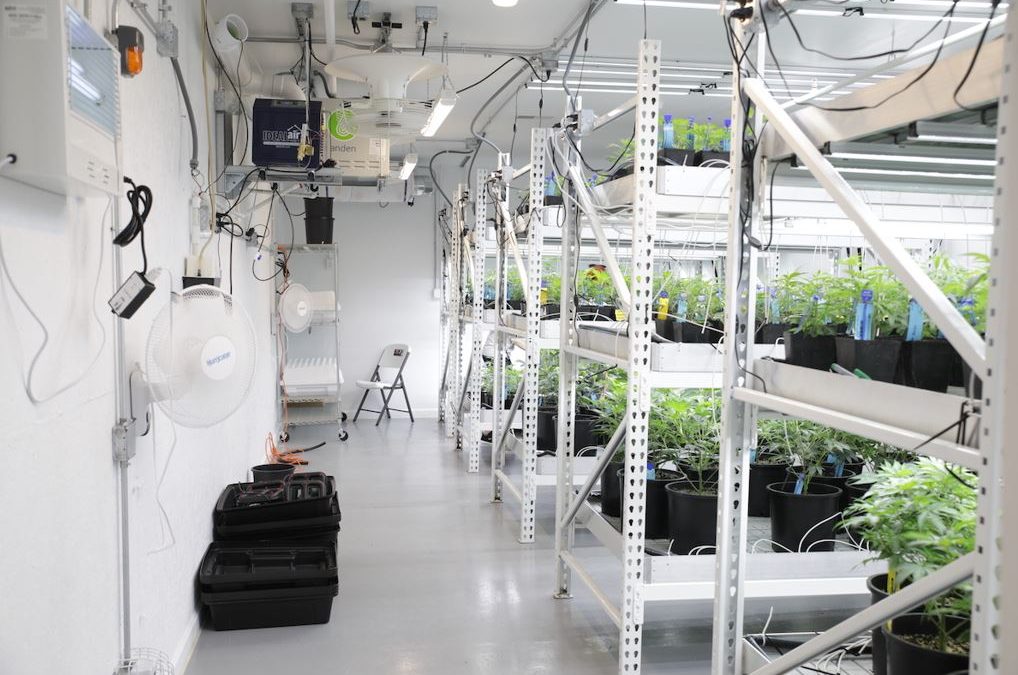
How Cannabis Dispensaries Are Using Technology to Stay Ahead in 2025
The cannabis industry is evolving at a rapid pace in 2025. With regulations tightening and consumers demanding more transparency, dispensaries must do more than just sell quality flower—they need to integrate technology into nearly every part of their operations. Those who adopt smart compliance tools and digital systems are not only staying legal but also improving efficiency, building customer trust, and setting themselves apart in a crowded marketplace.
The New Compliance Landscape
Compliance has always been one of the toughest challenges in cannabis. Every dispensary must track products from seed to sale, follow strict packaging rules, verify customer age, and keep meticulous records for state reporting systems. Mistakes can lead to heavy fines, product recalls, or even license suspensions. What’s new in 2025 is the scale of regulatory oversight. States are upgrading monitoring systems, testing standards are getting stricter, and federal discussions around rescheduling cannabis mean future changes could arrive quickly. That makes technology more critical than ever for dispensaries that want to protect their business and reputation.
Technology in Action
1. Integrated Compliance Software
Modern dispensaries are investing in all-in-one platforms that combine inventory tracking, point-of-sale systems, and compliance reporting. Instead of juggling spreadsheets or outdated systems, managers can log into one dashboard to see real-time product data, testing results, and reporting metrics. This not only reduces human error but also speeds up audits when regulators come knocking.
2. Automation in Packaging and Labeling
States often require specific wording, health warnings, potency percentages, and child-resistant packaging. New automated label generation software ensures every product leaves the dispensary shelf with the right details in place. On the packaging side, automation reduces mistakes, saves staff time, and helps keep product presentation professional.
3. Smarter Age Verification
Customer experience and compliance must go hand in hand. That’s why many dispensaries are adopting enhanced ID scanning systems that flag expired IDs, detect fakes, and automatically record verification logs. Some stores are even testing self-service kiosks, where a quick scan verifies age before an order is placed—streamlining traffic during peak hours.
4. Cultivation & Quality Control Tech
On the supply side, cultivators are using AI-driven sensors to monitor plant health, detect pests early, and improve yields. This ensures that dispensaries receive more consistent product while meeting strict state testing requirements. As lab standards tighten, consistent cultivation practices will play an even bigger role in compliance.
Real-World Impacts
Dispensaries that lean into technology are already seeing results. Businesses report fewer inventory discrepancies, faster reporting times, and smoother audits. In emerging markets like Minnesota, new dispensaries are building compliance systems directly into their business model—meaning customers experience shorter wait times, accurate product information, and more confidence in what they’re buying. Meanwhile, established markets like Oregon and Washington are proving that tech adoption is essential for keeping up with competition and scaling into multiple locations.
What to Watch in 2025
- Federal Rescheduling: If cannabis moves from Schedule I to Schedule III, dispensaries may gain easier access to banking and tax deductions, but will also face new compliance requirements under federal agencies.
- Stricter Lab Standards: Expect more states to require ISO-accredited testing labs, reducing variability in test results but raising the bar for dispensary sourcing.
- Blockchain & Transparency Tools: Some companies are piloting blockchain technology to allow customers to trace products back to the grower, giving unprecedented visibility into supply chains.
- Customer Data Security: With more dispensaries moving digital, cybersecurity and data privacy will become a top priority—especially as kiosks and online orders expand.
How Dispensaries Can Stay Ahead
- Audit your current workflow – Identify weak spots in labeling, reporting, or testing.
- Invest in the right systems – Look for technology that integrates multiple compliance functions into one platform.
- Build strong lab partnerships – Work only with labs that meet or exceed state standards.
- Stay proactive on regulations – Assign someone on your team to monitor industry updates weekly.
- Protect your customers’ trust – Prioritize transparency and data security at every touchpoint.
Final Thoughts
For dispensaries, compliance can feel like a burden—but with the right technology, it becomes a competitive advantage. Customers want to know they’re buying safe, legal, and reliable cannabis. Regulators want accurate reporting and consistent practices. Dispensaries that use technology to meet both expectations will not only avoid penalties but also build a loyal customer base for years to come.
At High End Marketplace, we’ve seen firsthand how much customers value transparency and professionalism. By staying ahead of compliance with smart technology, dispensaries can focus on what really matters: offering high-quality cannabis in a safe, trustworthy, and welcoming environment.
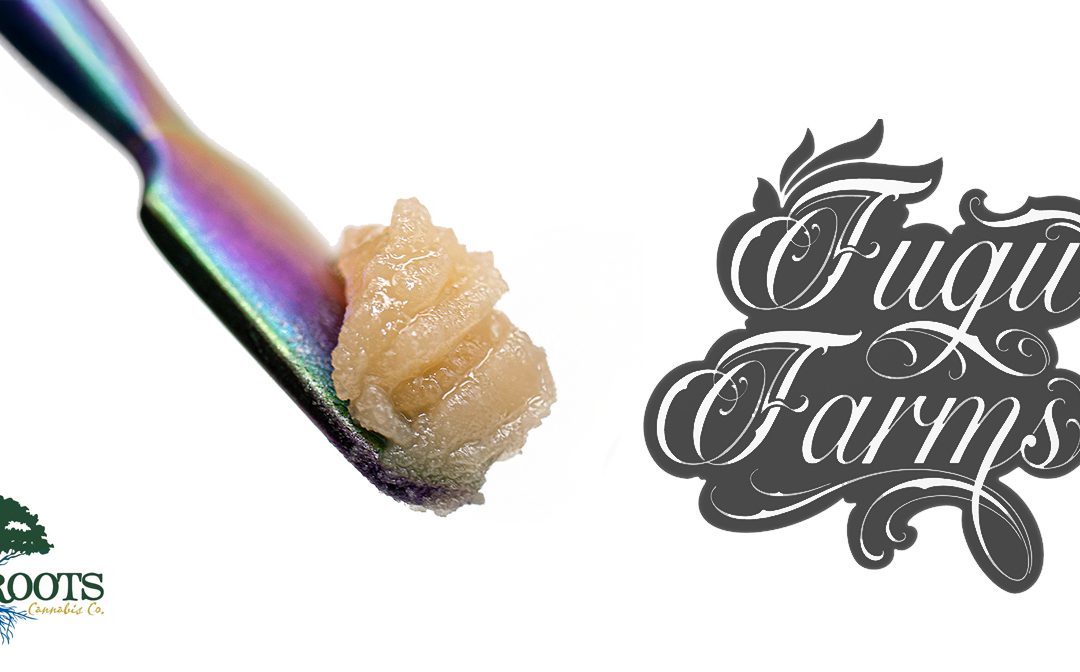
Fugu Farms: Solventless Craft with Blue Roots Cannabis
Fugu Farms has become one of the most respected names in Washington’s cannabis market for solventless concentrates. Known for meticulous rosin production, the brand reflects the precision and care required to unlock the full spectrum of flavor and effect in cannabis. Since merging with Blue Roots Cannabis in 2024, Fugu has been able to scale without losing the artisanal identity that made it popular among rosin enthusiasts in the first place (Inlander).
The Story Behind Fugu Farms
Fugu was founded in 2021 and quickly built a following for its terpene-rich rosin. In January 2024, the brand formally merged with Spokane-based Blue Roots Cannabis, a long-standing producer recognized for small-batch cultivation and hand-trimmed flower (Blue Roots Cannabis). Fugu founder Seth Shamberg transitioned into the role of Chief Operating Officer at Blue Roots, ensuring that the solventless side of the business kept its focus while benefiting from the resources of a Tier 3 producer (Inlander).
This partnership has allowed Fugu to expand its reach while continuing to emphasize solventless craftsmanship and careful quality control.
Crafting Solventless Rosin
At the core of Fugu’s process is ice-water hash extraction, where trichomes are gently separated from flower using only cold water and agitation. These trichomes are then pressed into rosin using precise heat and pressure—no solvents, hydrocarbons, or chemical agents involved. The result is a concentrate that captures the plant’s natural terpene and cannabinoid profile in its purest form.
Fugu’s method is slow and intentional, ensuring only the best material makes it to jars. The approach reflects the careful preparation implied by the brand’s name: just as the Japanese delicacy “fugu” requires expert handling, so does producing high-quality solventless cannabis concentrates.
Product Lines
Fugu’s lineup is centered on its flagship cold-cured rosin, prized for bright terpene expression and strain-specific character. The brand also offers Collections by Fugu, a second-wash rosin line crafted with the same care but at a more accessible price point (Weedmaps).
Beyond jars, Fugu collaborates with Blue Roots on rosin-infused pre-rolls, blending solventless hash with carefully cultivated flower for a ready-to-smoke format. These products have expanded the brand’s reach to both concentrate connoisseurs and new consumers curious about solventless cannabis.
Find Fugu at High End Cannabis
If you’re looking to explore Fugu Farms in Washington, you can find their solventless concentrates right here at High End Cannabis in Vancouver. As a trusted local dispensary, we’re proud to carry Fugu’s lineup and share their dedication to quality. Check current availability and shop online at High End Cannabis.
Why Consumers Choose Fugu
As Washington’s cannabis market matures, more consumers are seeking solventless products that emphasize purity, flavor, and terpene preservation. Fugu delivers on these values with its small-batch approach, backed by the cultivation expertise of Blue Roots. The result is a brand that satisfies both seasoned concentrate fans and new consumers curious about solventless cannabis.
For anyone looking to experience the best of Washington’s solventless scene, Fugu Farms stands out as a name to know—and one you’ll find here at High End Cannabis.
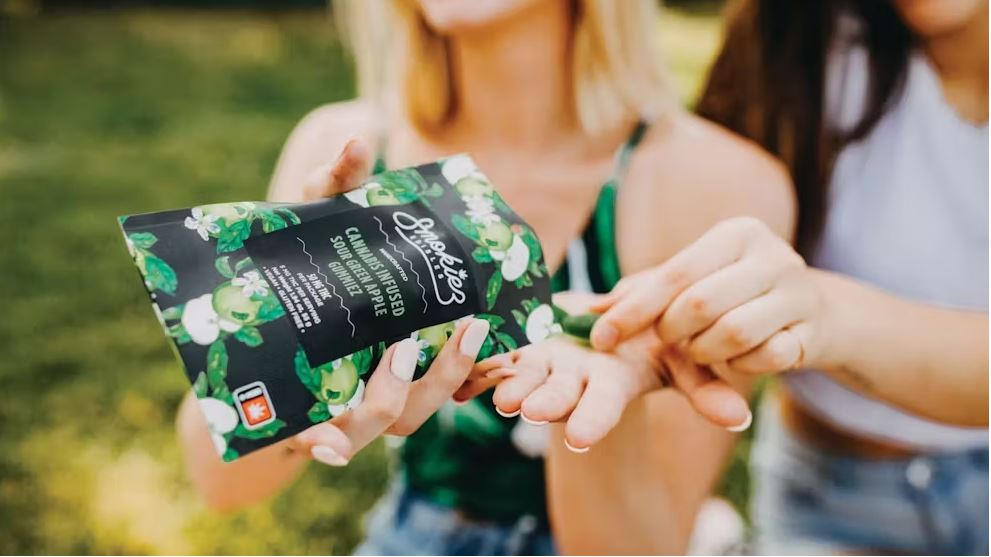
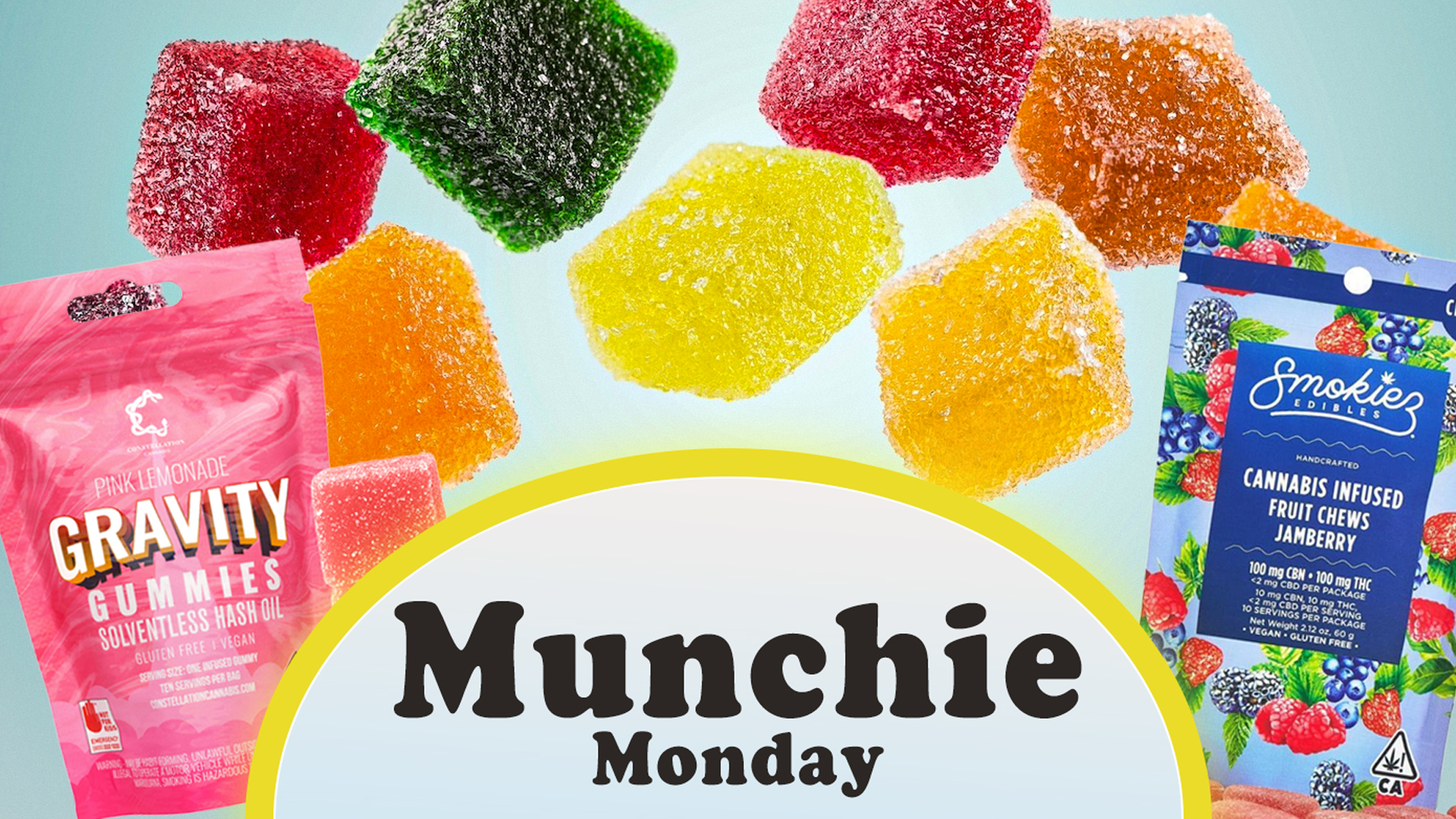
Cannabis Edibles Take Center Stage in the Pacific Northwest
The Pacific Northwest has long been known for its craft culture—coffee, beer, food—but now it’s also making waves for another specialty: high-quality cannabis edibles. Across Oregon and Washington, more people are choosing edibles as their preferred way to enjoy cannabis. From flavor-packed gummies to wellness-focused blends, these products are evolving fast, and the region’s dispensaries are keeping pace.
Gummies Lead the Way
When it comes to edibles, gummies are the undisputed favorite in the PNW. In Oregon, the best-selling products are consistently gummies—especially balanced blends that combine THC with other cannabinoids like CBD and CBN. One standout is a 1:1:1 indica boysenberry gummy from Wyld, delivering equal parts CBD, CBN, and THC, along with fruity favorites like strawberry lemonade and sour peach mango (Headset). They’re portable, discreet, and easy to dose, making them a top choice for both beginners and seasoned cannabis consumers.
The Rise of CBN and Sleep-Focused Edibles
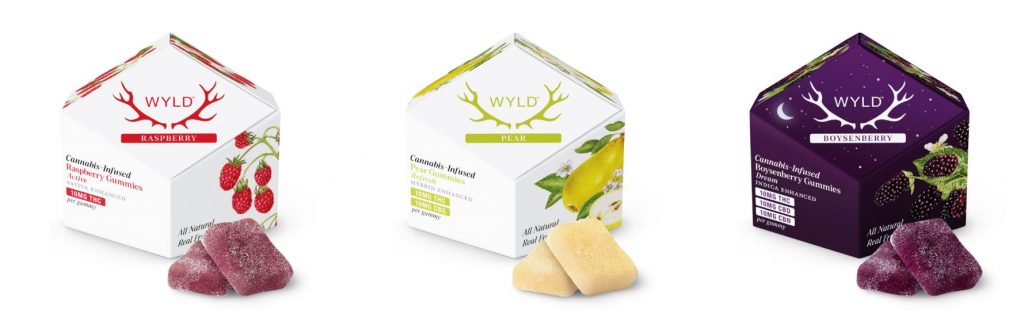
Beyond classic THC products, CBN-infused edibles are quickly becoming a staple. Known for its calming and sedative properties, CBN is gaining attention as a natural sleep aid. In California, the share of edibles containing CBN jumped from 4% in 2020 to 25% in 2025—a massive 525% increase (SF Gate). While PNW-specific data is still emerging, many Oregon and Washington dispensaries are already stocking nighttime gummies and CBN blends alongside their traditional offerings.
Oregon’s Market Innovation
Oregon’s cannabis market may be mature, but it’s far from slowing down. Annual retail cannabis sales hover around $960 million, with monthly totals between $80–95 million (FundCanna). In such a competitive space, dispensaries are constantly innovating to stand out—offering small-batch edibles, unique flavor profiles, and sustainably packaged options. Oregon shoppers have come to expect transparency about ingredients, detailed lab testing results from producers, and high-quality formulations.
Washington’s Steady Edible Demand
While Washington’s overall cannabis sales have dipped from their pandemic highs, edibles continue to perform well. As of mid-2025, the average price for a 10 mg edible is about $12.19, a slight decrease but still stable (Headset). This consistency shows that demand for regulated, convenient, and smoke-free cannabis products remains strong in Washington’s dispensaries, even in a shifting economy.
What You Should Know as a Customer
If you’re curious about edibles or already enjoy them, here are some important things to keep in mind when shopping in the Pacific Northwest cannabis market:
Start Low, Go Slow
Edibles can take anywhere from 30 minutes to 2 hours to take effect, depending on your metabolism, tolerance, and whether you’ve eaten recently (Wikipedia). Begin with a low dose—5 to 10 mg of THC is enough for most people—and wait before taking more.
Understand Cannabinoid Blends
Different cannabinoids work together in unique ways. THC provides the classic high, CBD can help with balance and relaxation, and CBN may enhance sleepiness. Check the ratios on the label so you know what kind of experience to expect.
Read Labels and Ask Questions
Producers in Oregon and Washington are required to have their cannabis products tested by licensed labs before they reach the market. The dispensary you buy from should be able to show you the producer’s lab results and explain what’s in your edible.
Choose Products That Fit Your Lifestyle
While gummies are popular for portability and ease of dosing, you might prefer chocolates, mints, or beverages. Explore different formats to find what works best for you.
Support Local and Trusted Brands
Buying from licensed dispensaries ensures you’re getting products that have gone through proper testing and regulatory compliance, while also supporting local growers and producers.
The Future of Edibles in the PNW
The Pacific Northwest edible scene is more creative and diverse than ever. Whether you want a flavorful treat, a discreet way to enjoy cannabis, or a functional edible for wellness, there’s something for everyone at your local dispensary. As innovation continues—especially in CBN sleep aids, wellness blends, and sustainable production—edibles are set to remain a major part of the cannabis experience in Oregon and Washington.
At High End Marketplace, we’re committed to helping customers navigate their options with confidence. Whether you’re brand new to edibles or a longtime fan, our goal is to connect you with the best products and knowledge the Pacific Northwest has to offer.

Washington’s Cannabis Social Equity Program Nears Major Milestone: What Dispensary Applicants Should Know
Washington’s Cannabis Social Equity Program registration window officially ran from June 2 to July 1, 2025, allowing eligible individuals to register for one of 52 available cannabis retail licenses, exclusively designated for social equity dispensary applicants (omwbe.wa.gov).
How Many Applicants & What Next?
While official figures on total registrations aren’t published, a summary of the June 4, 2025 LCB meeting reported 182 applicants had registered as of the start of the window (cannabis.observer). No credible source supports the earlier claim of 880 applicants. Therefore, it’s more accurate to note that hundreds registered between June 2 and July 1—not 880.
Who Manages Application Processing?
Once registration closed, Washington’s Liquor and Cannabis Board confirmed that only Alta Point Consulting, LLC (a Seattle-based firm with over 40 years of experience and a 400‑person consultant network) is authorized to handle applicant eligibility review and scoring under WAC 314‑55‑570. They reached this role in early 2025 and have already begun emailing registrants with instructions for submission and scoring procedures (cannabis.observer).

Selection & Licensing Process Overview
- Alta Point evaluates registrants’ documentation and applies a scoring rubric.
- If needed, a double-blind lottery resolves ties among top-scoring applicants.
- LCB then notifies the highest scorers and invites them to apply for the actual retail license via Washington’s Business Licensing Services (BLS).
- Applicants are assigned an LCB licensing specialist, who guides them through phone interviews and documentation review (lcb.wa.gov, lcb.wa.gov).
Social Equity Eligibility Criteria
An individual must control at least 51% of the business and meet two or more of the following conditions:
- Lived for at least five cumulative years between 1980 and 2010 in a disproportionately impacted area (DIA).
- Has a cannabis-related arrest or conviction (or is a family member of such).
- Household income below Washington’s median.
- Meets the definition of socially and economically disadvantaged under state law (RCW 39.19) (apnews.com, cannabissciencetech.com).
What Applicants Should Expect Next
If you registered during the window:
- Watch for emails from Alta Point Consulting requesting supporting documents.
- Be prepared to demonstrate proof of eligibility criteria, such as past convictions, residency in disproportionately impacted areas, or low household income.
- Monitor updates on the LCB website or subscribe to their newsletter for status changes and scoring timelines.
If you didn’t apply but are engaged in the cannabis or dispensary space, this is a good time to:
- Network with incoming licensees for collaboration opportunities.
- Stay ahead of market changes in areas receiving new licenses.
- Reevaluate your business strategy based on shifts in regional competition.
A Turning Point for Cannabis Equity in Washington
While many past equity programs in other states have struggled with slow rollouts, legal hurdles, or underfunding, Washington’s 2025 push appears more organized and transparent. With Alta Point Consulting onboard and direct outreach now underway, applicants and observers alike should stay engaged as the process unfolds.
This may be the most significant equity-focused cannabis licensing effort the Pacific Northwest has seen to date—and its ripple effects could reshape how dispensaries operate across the state.
For more updates on Washington’s evolving cannabis landscape, visit High End Marketplace or follow the LCB’s social equity updates
YOUR PREFERRED MARIJUANA DISPENSARY
At HEMP we proudly serve both recreational and medical customers. In 2016, High End Market Place was the first cannabis dispensary to be licensed under the new WA State Department of Health medical marijuana program. Since then, we have registered thousands of patients, and have given them access to the highest quality, most ethically sourced cannabis products in the market. Our store is truly Vancouver’s one stop for the best Cannabis Dispensary.